Health and Safety Policy for Highbury Removals
 Highbury Removals is committed to maintaining a safe, responsible, and well-managed working environment for staff, customers, contractors, and members of the public. This health and safety policy sets out the principles and practical measures that support safe working across every stage of the moving process. From planning and lifting to transport and delivery, our aim is to reduce risk, protect property, and ensure operations are carried out with care, professionalism, and consistent attention to safety.
We recognise that removal work can involve manual handling, vehicle movement, loading and unloading, lifting equipment, and work in varied premises. Because of this, the company takes a proactive approach to preventing injury and avoiding damage. The policy applies to all employees and anyone working on behalf of the business, and it is designed to support a strong culture of awareness, accountability, and safe decision-making.
 The management team is responsible for ensuring this policy is implemented, monitored, and reviewed regularly. However, safety is not the responsibility of managers alone. Every team member is expected to follow established procedures, report hazards promptly, and contribute to a workplace where potential risks are identified before they become incidents. This shared commitment helps Highbury Removals deliver a dependable service while protecting everyone involved in the moving process.
Our approach begins with planning. Before any removal takes place, the work should be assessed so that known risks can be reduced as far as reasonably practicable. This includes considering the size and weight of items, access routes, stairs, fragile objects, parking conditions, weather, and any special handling requirements. Good planning supports safer lifting, better time management, and fewer avoidable interruptions. It also helps ensure that suitable equipment is selected for each task.
Manual handling is one of the most important areas within the Highbury Removals health and safety policy. Staff must use correct lifting techniques, work within safe weight limits, and ask for assistance when loads are awkward, heavy, or unbalanced. Team lifting should be used where necessary, and mechanical aids should be deployed whenever practical. Employees are expected to stop work if a load feels unsafe, rather than take unnecessary risks. Protecting personal safety always takes priority over speed.
 All vehicles and equipment must be kept in safe, serviceable condition. Regular checks should be completed on removal vans, trolleys, straps, blankets, ramps, and any other handling tools used during a job. Any defect, malfunction, or damage must be reported immediately and the item taken out of use if required. Well-maintained equipment supports efficient removals, reduces the likelihood of accidents, and helps safeguard both staff and customers’ belongings.
Personal protective equipment, where required, must be worn correctly and used in line with the task being performed. This may include gloves, safety footwear, high-visibility clothing, or other suitable protection. Although PPE is the final layer of defence, it remains an essential part of safe working practices. Staff should also keep work areas tidy, avoid obstructing walkways, and ensure items are stacked and secured properly during transit. These simple steps support a safer and more controlled working environment.
Communication plays a central role in the removals safety policy. Clear instructions, coordinated team movements, and awareness of surrounding hazards help prevent slips, trips, collisions, and damage to property. Before lifting or carrying items, staff should confirm routes, agree roles, and use clear verbal signals. If work conditions change, the team should pause and reassess the situation. Good communication encourages calm, organised work and reduces the chance of confusion during busy or demanding moves.
Highbury Removals also expects all workers to remain alert to hazards in customer properties, loading areas, and public spaces. Common hazards may include uneven flooring, poor lighting, exposed edges, congestion, wet surfaces, and unstable items. Where a hazard cannot be removed immediately, the area should be made as safe as possible and others warned accordingly. Staff must never ignore unsafe conditions, and they should escalate concerns to management without delay.
 Training is a key part of sustaining a safe workplace. Employees should receive appropriate instruction on manual handling, risk awareness, equipment use, emergency procedures, and incident reporting. Refresher sessions may be provided to reinforce safe habits and reflect changes in work practices. By ensuring that staff understand both the risks and the correct controls, the company strengthens its overall safety performance and promotes consistency across every move.
Incidents, near misses, and unsafe conditions must be reported promptly so that lessons can be learned and corrective action taken. Reporting is not about blame; it is about prevention, improvement, and accountability. Records should be kept where appropriate, and investigations should focus on identifying root causes rather than isolated mistakes. This process helps Highbury Removals improve standards and maintain a working environment where safety is taken seriously at every level.
Managers are responsible for reviewing this policy regularly and updating procedures when needed. Reviews may be prompted by operational changes, incident trends, new equipment, or feedback from safety inspections. By treating the policy as a living document, the business can remain responsive, practical, and aligned with safe working expectations. The aim is to build a reliable framework that supports both efficient service and ongoing risk reduction.
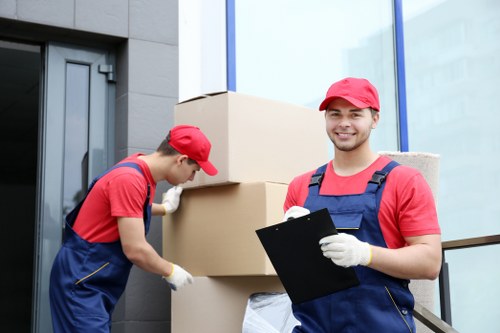 In conclusion, the Highbury Removals health and safety policy reflects our commitment to protecting people, property, and workplace standards. Safety is embedded in how we plan, lift, transport, and deliver every job. Through careful preparation, clear communication, proper training, and active reporting, we aim to maintain a professional service that puts wellbeing first. Everyone involved is expected to follow this policy and contribute to a culture of care, vigilance, and responsible working.