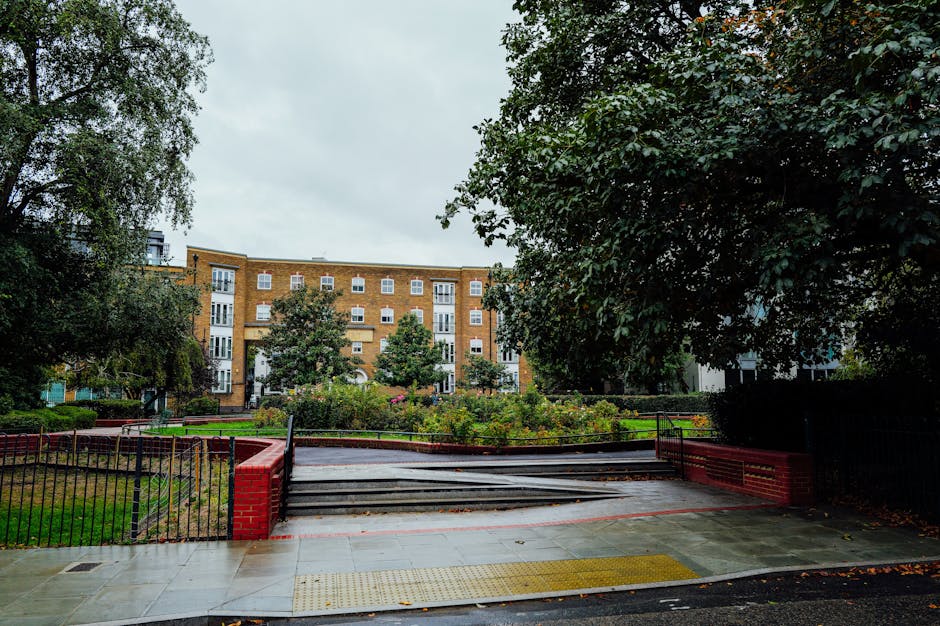
Gillespie Park Highbury flat removals advice N5: a practical guide for a smoother move
If you are planning a move near Gillespie Park in Highbury, the details matter more than people expect. A flat move in N5 can be straightforward, or it can become a long day of tight hallways, awkward stairwells, parking stress, and a few boxes that somehow feel heavier at 4 p.m. than they did at 9 a.m. This guide on Gillespie Park Highbury flat removals advice N5 is here to make the process calmer, clearer, and a lot more manageable.
You will find practical advice on planning, packing, timing, access issues, building etiquette, and the small decisions that make a big difference. We will also cover common mistakes, what to ask before booking, and a realistic checklist you can actually use. No fluff. Just useful guidance for moving house in one of North London's busiest residential pockets.
Table of Contents
- Why Gillespie Park Highbury flat removals advice N5 Matters
- How Gillespie Park Highbury flat removals advice N5 Works
- Key Benefits and Practical Advantages
- Who This Is For and When It Makes Sense
- Step-by-Step Guidance
- Expert Tips for Better Results
- Common Mistakes to Avoid
- Tools, Resources and Recommendations
- Law, Compliance, Standards, or Best Practice
- Options, Methods, or Comparison Table
- Case Study or Real-World Example
- Practical Checklist
- Conclusion
- Frequently Asked Questions
Why Gillespie Park Highbury flat removals advice N5 Matters
Gillespie Park sits in a part of Highbury where homes are often in converted period buildings, mansion blocks, purpose-built flats, or compact modern apartments. That mix is lovely to live in, but it can make removals trickier than a standard suburban move. Narrow access, shared entrances, busy roads, controlled parking, and limited lift space can all affect how smoothly the day goes.
Good removals advice matters because a flat move is rarely just about lifting boxes. It is about sequencing the whole job properly: getting items out of the flat, protecting communal areas, avoiding delays, and keeping fragile items safe while still moving at a sensible pace. That sounds simple, but in practice the small stuff can trip people up.
To be fair, most moving problems are predictable. If you know where the bottlenecks are, you can plan around them. And in N5, especially near Gillespie Park, that planning is worth its weight in tape and bubble wrap.
A little local awareness goes a long way. If there are residents' rules, limited waiting space, or a tight staircase with a bend halfway down, you want to know before the van arrives. That is the difference between a tidy move and one that drifts into a stressful afternoon.
For more background on the company behind this guidance, you can also look at the about us page and see how the service is presented more broadly.
How Gillespie Park Highbury flat removals advice N5 Works
The basic process is the same for most flat removals, but the details matter more in a place like Highbury. You start by assessing what needs moving, then work out access, timing, and protection. After that comes packing, loading, transport, unloading, and settling in. Simple on paper. Less simple when you are standing in a second-floor flat with a sofa that seems to have become wider overnight.
In practical terms, a good move usually follows these stages:
- Pre-move assessment - work out what is being moved, what needs disassembly, and whether there are access constraints.
- Parking and access planning - check where the van can stop, whether there are restrictions, and how long loading is likely to take.
- Packing and labelling - organise by room, fragility, and priority so unpacking is not chaotic.
- Protection of the property - use covers, blankets, and careful handling to reduce scuffs and damage.
- Loading and transport - move heavier items safely, then load in a logical order to reduce rehandling.
- Unloading and placement - place furniture in the correct rooms first so you are not dragging it around later.
That is the general shape of it. The best moves feel calm because someone has already thought through the awkward parts. The worst ones feel rushed because nobody did.
If you are comparing service details, the page on pricing and quotes is worth reviewing early so you know how the booking process is likely to be structured.
Key Benefits and Practical Advantages
A well-planned flat removal brings more than convenience. It reduces risk, saves time, and gives you more control over a day that can otherwise feel a bit chaotic. That is especially useful in an area where access may be shared and the window for loading is not always generous.
Some of the main benefits include:
- Less stress on moving day - when boxes are labelled and access is checked, everything tends to feel less frantic.
- Lower risk of damage - protecting doorways, bannisters, and furniture makes a real difference.
- Better time management - fewer surprises means less waiting around while the clock ticks.
- Safer handling of heavy items - sofas, wardrobes, and white goods need the right technique, not brute force.
- Cleaner unpacking - if you have packed by room, getting settled in becomes much easier.
There is also a quieter benefit people often overlook: confidence. When the plan is clear, you stop second-guessing every little decision. Should the mattress go first or the dining table? Where did the kettle go? Why is there one box marked "misc" and what does that even mean? A proper system saves you from that kind of drift.
Practical takeaway: the best removals advice is not about being fancy; it is about removing friction. Every small decision you make before move day cuts down the amount of hassle later.
If you care about how your items are handled, it is sensible to review the company's insurance and safety information before you book. It is one of those things people ignore until they really should not.
Who This Is For and When It Makes Sense
This kind of advice is useful for a wide range of movers, not just first-time renters. In fact, some of the trickiest flat removals are the ones where someone has moved before and assumes it will be basically the same. It usually is not.
This guide is especially relevant if you are:
- moving into or out of a flat near Gillespie Park
- living in a converted building with narrow access or stairs
- moving with limited time between tenancies
- handling bulky furniture in a compact property
- trying to coordinate work, school runs, or other commitments on the same day
- worried about parking, lift access, or communal area damage
- comparing moving options and want a more informed decision
It also makes sense if you have only a small amount to move. A small flat removal can be deceptively awkward because the van may be partly loaded, the building access may still be awkward, and there is often less margin for error. Small job, big headache. Happens all the time.
If you need to speak to the team directly, the contact page is the most direct route for making an enquiry or asking a few practical questions before booking.
Step-by-Step Guidance
Here is a simple way to approach a flat move near Gillespie Park without overcomplicating it. Keep the process structured and work through it in order. You do not need perfection; you need a plan that holds together.
1. Start with a realistic inventory
List the furniture, appliances, fragile items, and anything awkward to carry. A wardrobe is not just a wardrobe if it must be dismantled, carried down two flights of stairs, and fitted into a van alongside a bike and four storage boxes. Be honest with yourself about what is actually involved.
2. Check access before you book anything
Look at the building entrance, stair width, hallway turns, and whether there is a lift. If parking nearby is limited, make a note of that too. Even a quick look outside at different times of day can help. Quiet streets at 8 a.m. can feel very different by lunchtime.
3. Pack in a way that supports the move
Use sturdy boxes, label them by room, and keep weight sensible. Heavy books belong in smaller boxes. Soft items can fill awkward gaps. Fragile things should not rattle. That sounds obvious, but you would be surprised how often people pack as if every box is a mystery parcel.
4. Prepare the flat itself
Clear walkways, protect corners if needed, and separate items that are staying from items that are going. If you have building rules about using lifts or protecting communal areas, follow them. A tidy route saves time and reduces the chance of knocks and scratches.
5. Put essential items aside
Keep documents, keys, chargers, toiletries, medication, and a kettle box within easy reach. That first evening in a new flat can feel long if the essentials are buried in three layers of tape and optimism.
6. Load in the right order
Heavy and sturdy items usually go first, with fragile items protected and packed strategically. The aim is to keep the load stable and avoid rehandling. If something needs dismantling, do that before everyone is tired. Once people start looking at the clock, little mistakes happen fast.
7. Unload logically at the other end
Ask for items to be placed in the correct room where possible. It saves time and your back. The difference between "put it anywhere" and "please put the bed frame in the bedroom" becomes very obvious by the end of the day.
Expert Tips for Better Results
There are a few small habits that make a big difference on flat removal day. These are not dramatic secrets, just the kind of practical choices that experienced movers rely on quietly.
- Use colour coding for rooms if you have several boxes. It speeds up placement and reduces confusion.
- Take photos of furniture before dismantling so reassembly is less annoying later.
- Keep screws and fittings in labelled bags taped to the item or stored in one clearly marked container.
- Measure large furniture against doors and stair turns before moving day. A 30-second measurement can save an hour of frustration.
- Protect mattresses and soft furnishings from rain, dust, and stairwell scuffs.
- Book the move for a sensible time slot rather than the exact moment your lease ends if you can avoid it.
One thing that often helps in Highbury is simply allowing more time than you think you need. You may not use it all, and that is fine. Better to have a calmer window than to be racing the clock because the lift is busy or the street is temporarily blocked by another delivery van. London has a way of doing that. Keeps you humble.
If sustainability matters to you, take a look at recycling and sustainability practices so you can plan what to keep, donate, reuse, or recycle before the move.
Common Mistakes to Avoid
Most moving errors are not dramatic. They are small oversights that compound. The good news is that nearly all of them are avoidable.
- Underestimating access issues - stairs, corners, and parking matter more in flats than in houses.
- Overpacking boxes - if you cannot lift a box safely, it is too heavy.
- Leaving packing until the night before - that nearly always creates a messy, rushed move.
- Not labelling boxes clearly - you will notice the problem immediately when you arrive at the new place.
- Forgetting building rules - some flats have quiet hours, lift bookings, or corridor protection expectations.
- Ignoring fragile items until the end - glassware and electronics need more care than a last-minute wrap in a T-shirt.
- Not checking payment and booking terms - useful to know what is included, what is not, and when payment is taken.
For bookings, deposits, and admin details, the payment and security information can help set expectations before you commit.
And one more, because it is common: do not assume the shortest route from flat to van is the best route. Sometimes the "obvious" path has a low branch, a tighter doorway, or a dodgy bit of pavement that catches a wheel. A tiny detour can be the smarter choice.
Tools, Resources and Recommendations
You do not need a mountain of specialist equipment to move a flat well, but a few basic tools make life easier. In many cases, the difference between a smooth move and a chaotic one is simply having the right bits to hand.
Useful moving tools and materials:
- strong cardboard boxes in mixed sizes
- packing tape and tape dispenser
- marker pens for labelling
- bubble wrap or paper for fragile items
- furniture blankets and protective covers
- zip bags for screws, plugs, and fittings
- basic tools for dismantling furniture
- gloves and sensible footwear
It can also help to keep one simple folder or digital note with your move details: inventory, key contacts, building instructions, and any access notes. Nothing fancy. Just something you can check without rummaging through ten half-open boxes and a charger cable that has somehow tied itself in a knot.
For service expectations and business information, the about us page and terms and conditions are useful reference points. If you want to understand how the company handles complaints or issues, the complaints procedure is there too.
Law, Compliance, Standards, or Best Practice
Flat removals involve practical safety, courtesy to neighbours, and sensible handling of property. You do not need to be an expert in regulations to move well, but you should follow reasonable UK moving best practice and any instructions that apply to your building or tenancy.
That usually means:
- using safe lifting techniques and not overloading boxes
- avoiding damage to communal areas, lifts, and stairwells
- checking parking or loading restrictions in advance
- respecting building access arrangements and noise expectations
- handling electrical items carefully and not rushing disassembly
- making sure insurance and liability arrangements are clear before the move
If a building has particular access conditions, let them guide your planning. It is much easier to spend ten minutes coordinating than to spend an hour apologising to neighbours because a sofa got stuck on a landing. We have all seen that look. Nobody enjoys it.
For safety-related standards and responsibilities, it is also sensible to review the company's health and safety policy and insurance and safety information. These pages help set a clearer expectation for how the job should be handled.
There are also broader trust and governance pages that some customers like to review, such as the privacy policy, accessibility statement, and cookie policy. They are not move-day essentials, but they are part of a tidy, professional website and useful for peace of mind.
Options, Methods, or Comparison Table
There is no single best way to handle a flat removal near Gillespie Park. The right method depends on how much you are moving, how difficult the access is, and how much help you need on the day.
| Approach | Best for | Strengths | Trade-offs |
|---|---|---|---|
| Do-it-yourself move | Very small loads, simple access, short distance | Lower upfront cost, full control | More physical effort, higher risk of delays and damage |
| Part-assisted move | Medium loads or awkward furniture | Good balance of cost and support | Still requires coordination and packing discipline |
| Full removals service | Busy moves, larger flats, complex access | Most efficient, less stress, better handling of heavy items | Usually costs more than doing it yourself |
If you are unsure which option suits you, think less about price alone and more about the hidden cost of time, energy, and risk. A cheaper move that takes all day and leaves you exhausted may not actually be the better deal. Truth be told, nobody enjoys "saving money" if it means lifting a wardrobe down three flights while sweating through a coat.
For a clearer quote comparison, the pricing and quotes page is a sensible place to start.
Case Study or Real-World Example
Picture a typical Highbury flat move on a weekday morning. The property is a second-floor flat near Gillespie Park, with a narrow stairwell, one lift that is technically available but not especially roomy, and a couple of larger items: a bed frame, a sofa, a desk, and half a kitchen's worth of boxes.
The move goes well because the preparation was decent. Boxes were labelled by room. The bed was dismantled the day before. Parking had been checked early, not after the van arrived. The fragile items were packed separately, and the resident had already cleared the hallway so people could move safely in and out without tripping over trainers, plant pots, or the mysterious "temporary storage" pile that never really stays temporary.
The one complication? A tight corner at the bottom of the stairs. That meant the sofa had to be turned carefully and carried by two people with a pause halfway down. Slightly awkward, yes. Problematic, no. Because the move had been planned properly, the team did not need to improvise under pressure.
That is the real lesson. Good removals advice is mostly about removing avoidable surprises. If you do that, the day feels lighter, even when the boxes are not.
Practical Checklist
Use this checklist a few days before moving. You can print it, keep it in your phone notes, or scribble it on a scrap of paper if that is more your style. Whatever works.
- Confirm move date and access times
- Check parking or loading arrangements near the flat
- Measure large furniture and doorways
- Book or arrange any required building access
- Pack fragile items separately and label them clearly
- Set aside essentials for the first 24 hours
- Dismantle furniture that will not fit safely through the route
- Protect floors, corners, and communal surfaces where needed
- Review insurance, safety, and payment details
- Keep keys, documents, and valuables with you
- Plan a final sweep of cupboards, loft spaces, and storage areas
- Dispose of or recycle items you are not taking
One small tip: do the final sweep slowly. People often rush at the end and leave things behind in a top drawer, under the sink, or behind the washing machine. Happens all the time. Slow down for the last ten minutes. It pays.
Conclusion
Moving a flat near Gillespie Park in Highbury does not need to be a painful experience. With the right preparation, a realistic plan, and a bit of local awareness, the whole process becomes much more manageable. The key is to think ahead about access, packing, protection, and timing rather than waiting for problems to appear on the day.
If you want a move that feels controlled instead of chaotic, focus on the basics: clear information, sensible packing, safe handling, and a service that understands flat removals properly. That is what makes the difference between a long stressful day and one that actually ends with the kettle on and a first cup of tea in the new place. Which, let's face it, is the real goal.
Get a free quote today and see how much you can save.
For more details or to start a conversation, visit the contact page. Sometimes the next step is just asking the right questions.
Frequently Asked Questions
What is the main challenge with flat removals near Gillespie Park in Highbury?
The main challenge is usually access. Flats in the area can involve stairs, narrow hallways, shared entrances, or limited parking, so the move needs a bit more planning than a straightforward house removal.
How far in advance should I arrange Gillespie Park Highbury flat removals advice N5?
As early as you reasonably can. That gives you time to check access, pack properly, and make sure the move fits around building rules, work commitments, or tenancy deadlines. Leaving it until the last minute is where stress sneaks in.
Do I need to dismantle furniture before a flat move?
Not always, but large items such as bed frames, wardrobes, and some desks are often easier and safer to move if they are dismantled. It depends on the size of the item and the route out of the property.
How do I know if parking will be a problem on moving day?
Check the street early, look for loading restrictions, and consider whether the van can stop close enough to the entrance without blocking traffic. If the area is busy, give yourself extra time rather than assuming space will be available.
What should I pack separately for immediate access?
Keep keys, documents, medication, chargers, toiletries, tea or coffee items, and basic cleaning supplies handy. These are the things people always need first, usually when everything else is buried under boxes labelled "misc".
Is a full removals service worth it for a small flat?
Often, yes, if the building access is awkward or you have heavy items. A small flat can still be physically demanding, and a professional service can save time, reduce risk, and spare you a lot of lifting.
What if my building has lift restrictions or shared access rules?
Follow the building rules and plan around them. You may need to book lift time, protect communal areas, or choose a moving window that keeps disruption to a minimum. A little coordination helps a lot.
How can I protect fragile items during a flat removal?
Use plenty of padding, keep fragile items in sturdy boxes, fill gaps so things do not shift, and label the box clearly. Glass, ceramics, and electronics deserve proper packing, not a casual throw-in-and-hope approach.
What should I look for in removals terms and conditions?
Check what is included, how payment works, what happens if the schedule changes, and how issues are handled. It is also wise to review insurance and safety information before confirming anything.
Can removals help with recycling or unwanted items?
Many people use a move as a chance to reduce clutter. If the company offers guidance on recycling and sustainability, that can help you separate what you are keeping from what can be responsibly recycled or removed.
How do I make moving day less stressful overall?
Keep the plan simple, pack early, label clearly, and allow more time than you think you need. A calm move is usually the result of a dozen small good decisions, not one big miracle.
Where can I ask for more information before booking?
The best place to start is the contact page. If you want to compare costs first, the pricing and quotes page is also helpful.